
Funding the Quarterbacks: Chicago’s Patient, Place-Based Strategy
Chicago’s anchors and philanthropy are choosing to fund intermediaries as “community quarterbacks,” doing it patiently and with enough resources to actually move the needle. Two live examples are West Side United’s food-system market formation and Community Desk Chicago’s community-owned real estate work.
Why Community Quarterbacks Matter
If you want durable change, don’t just fund projects—fund the people and platforms that line up capital, partners, and execution over years. This is the “community quarterback” idea that David Erickson and colleagues elevated in the Fed’s community-development work: a local entity coordinating cross-sector players, keeping score, and adjusting plays as conditions change. It’s not flashy, but it’s the best design we have for complex, place-based problems.
West Side United – Market Formation for Food
On Chicago’s West Side, that quarterbacking shows up in West Side United (WSU), a coalition co-founded by Rush and other anchors to close life-expectancy gaps by tackling the social determinants of health. Instead of one-off food drives, WSU is building markets: investing in resident-governed grocery/co-op infrastructure and food enterprises so access survives leadership changes and corporate exits. The Community Food Investment program explicitly funds permanent, community-led solutions—grocery stores, co-ops, and food businesses—rather than temporary fixes.
When a neighborhood lost its Aldi overnight, WSU didn’t just convene a meeting; it stood up pop-up markets and planning with Garfield Park Community Council, while Rush mobilized direct food support—an example of the quarterback making near-term plays while still driving toward long-term ownership and stability.
Patient Capital and Intermediaries
Behind that is patient capital—money that accepts modest returns and longer timelines. Rush’s Impact Investing Fund was designed to flow through intermediaries like CDFIs precisely because those lenders have the underwriting chops and neighborhood trust to execute; the fund targets place-based projects tied to SDOH and coordinates with WSU so investments stack, not scatter. That’s what patient, “enough-to-matter” resourcing looks like in practice.
Community Desk Chicago – Market Formation for Real Estate
On commercial corridors and community ownership, Community Desk Chicago plays the same quarterback role. It’s a “help desk” that assembles capital, technical assistance, and city/funder alignment for small-scale, community-led real estate. Programs like Budgets & Bricks, the Neighborhood Developers Initiative, and Wealth Our Way (to seed shared-ownership vehicles) are all built to turn scattered effort into financed, finished buildings with local owners. That’s market formation for real estate: getting from idea to acquisition to rehab to tenants, with enough flexible support to overcome the friction that kills neighborhood deals.
The Chicago Playbook
Put together, the Chicago playbook is clear:
- Back the quarterback – Fund intermediaries with mandate and multi-year runway to orchestrate partners and capital.
- Be patient and right-sized – Use flexible, low-to-moderate-return funds through CDFIs and similar intermediaries so deals actually close and stores actually open.
- Focus on place – Keep the map small (corridors, zip codes) so investments stack up into systems—food retail that’s resident-governed; buildings with community ownership; suppliers ready for anchor procurement.
That’s why Chicago’s intermediaries feel different right now: they’re not side projects; they are the strategy.
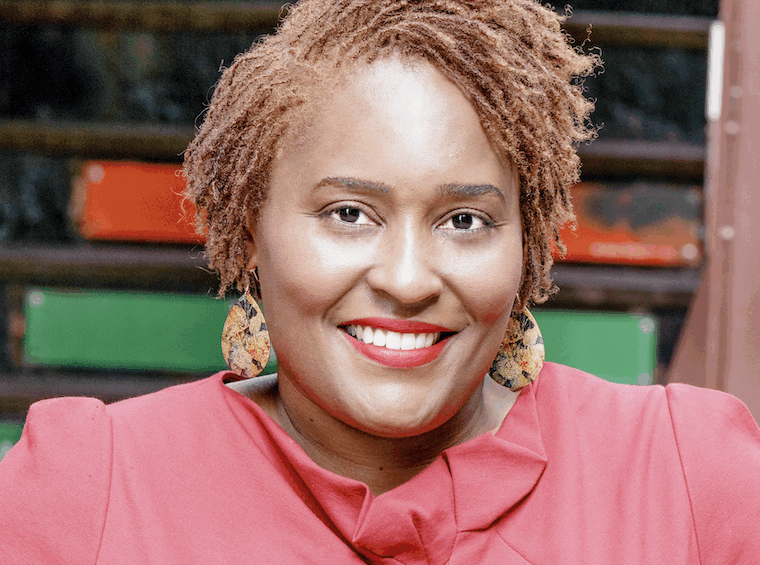
Image: Ja’Net Defell, President & CEO of Community Desk Chicago
📣 Let’s Build What’s Next
Neighborhood Economics is a place where new partnerships begin. Join us this fall or read more real-world examples of how we’re helping transform local economies from the inside out.